Retinopathy of Prematurity (ROP) is a serious eye condition that affects premature babies, particularly those born before full term or with very low birth weight. The condition occurs when the blood vessels in the retina develop abnormally, which can potentially lead to retinal damage and vision problems. In severe cases, untreated ROP can lead to retinal detachment and permanent vision loss. Early detection and timely treatment play a crucial role in protecting a child’s vision.
Dr. Charu Chaudhary, an experienced retina specialist with more than 15 years of expertise in retinal diseases, provides specialized care for Retinopathy of Prematurity in Lucknow. Practicing at Medanta Hospital, she offers comprehensive ROP screening, monitoring, and treatment for premature infants who are at risk of developing this condition. With modern diagnostic techniques and advanced treatment options such as ROP laser therapy and intravitreal injections, early intervention can significantly improve visual outcomes for affected infants.
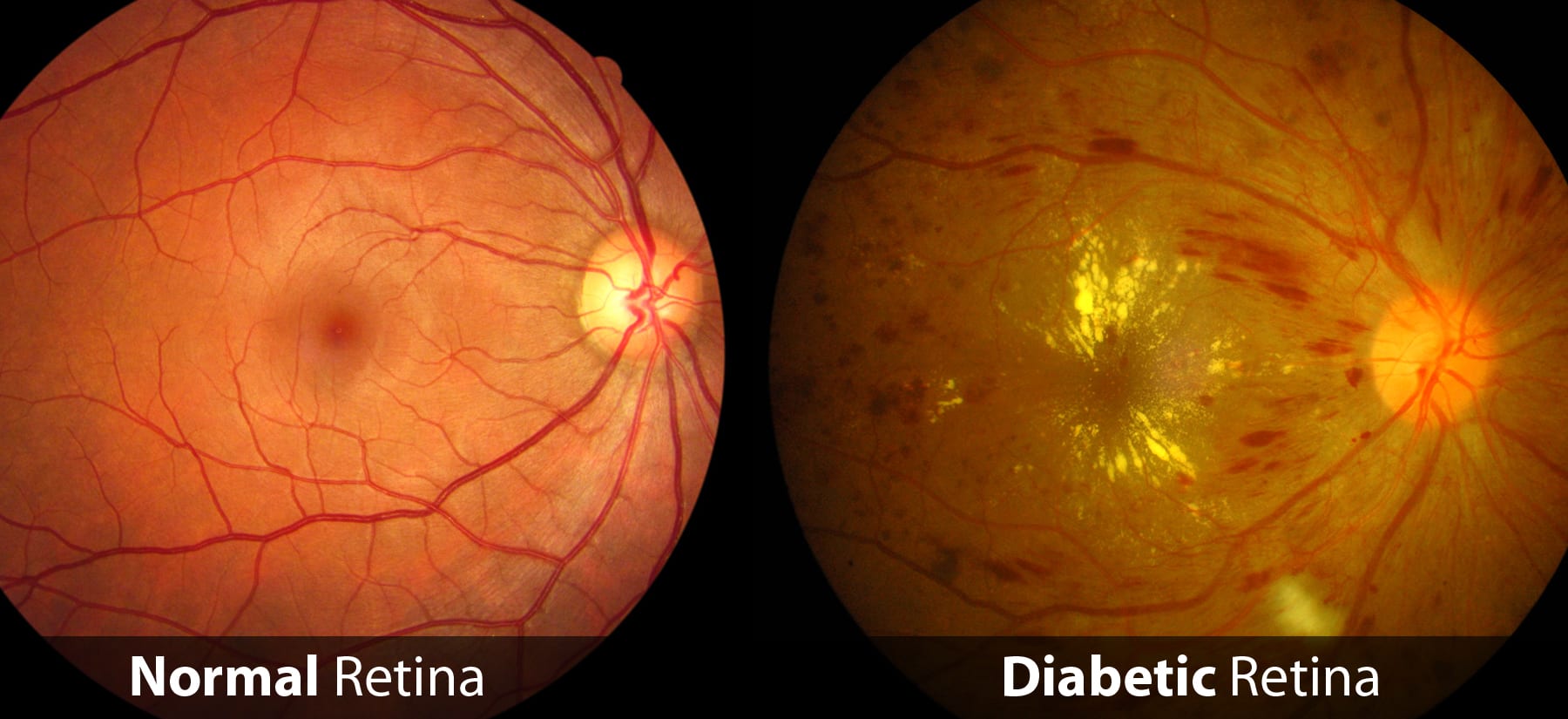
Retinopathy of Prematurity is an eye condition that affects the developing blood vessels of the retina in premature infants. In babies born prematurely, the retinal blood vessels may not have fully developed before birth. After birth, these vessels may grow abnormally, which can lead to scarring or pulling on the retina. This abnormal growth can interfere with normal retinal function and affect vision.
ROP can vary in severity, ranging from mild cases that resolve on their own to more severe stages that require medical treatment. In advanced stages, abnormal blood vessels can cause the retina to detach from the back of the eye, leading to significant vision impairment. Because premature babies cannot communicate vision problems, regular screening by a trained ophthalmologist is essential to detect ROP early and prevent serious complications.
Retinopathy of Prematurity usually does not produce visible symptoms that parents can easily recognize in the early stages. Since the condition affects infants who cannot express vision problems, it is typically detected through routine screening examinations performed by an eye specialist. These examinations are usually recommended for premature babies within the first few weeks after birth.
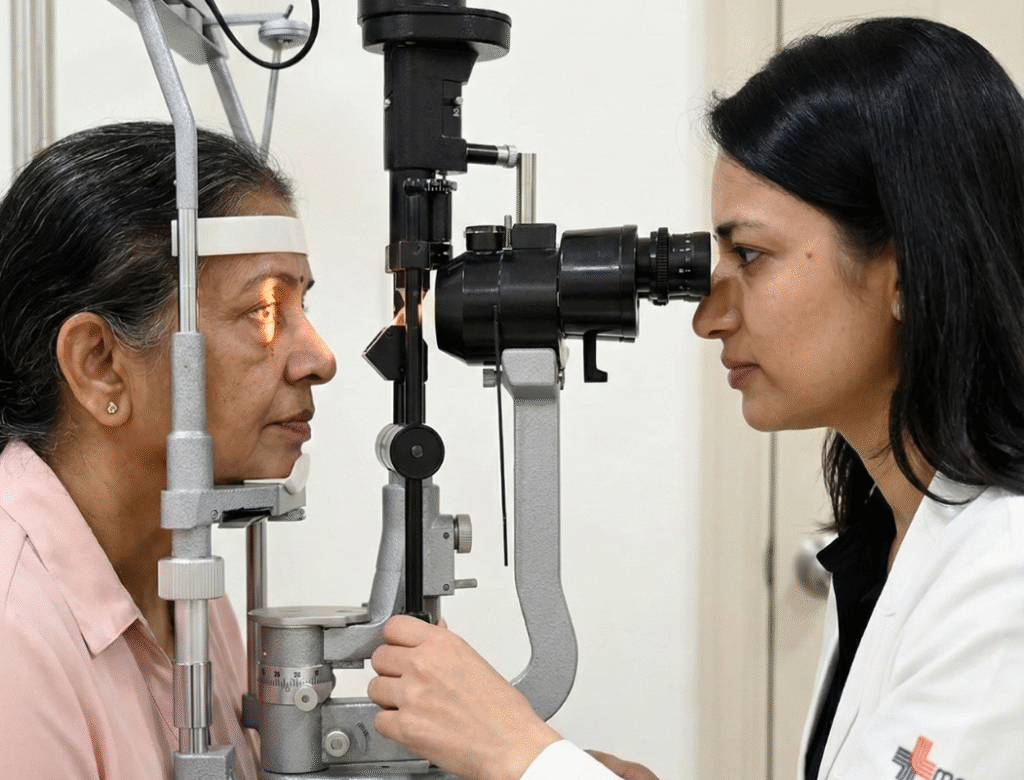
The diagnosis of Retinopathy of Prematurity is made through a detailed retinal examination performed by a trained ophthalmologist. During the examination, special eye drops are used to dilate the baby’s pupils so that the retina can be clearly visualized. A specialized instrument is then used to examine the retina and identify any abnormal blood vessel growth.
The doctor evaluates the stage and severity of ROP based on standardized classification systems. This assessment helps determine whether the condition requires monitoring or immediate treatment. In many cases, babies with mild ROP only require regular follow-up examinations to ensure the condition improves naturally. However, if the disease progresses, timely treatment is recommended to protect the developing retina and preserve vision.
The treatment for Retinopathy of Prematurity depends on the severity of the disease and how quickly it is progressing. In mild cases, ROP may resolve naturally as the baby grows and the retinal blood vessels develop normally. However, moderate to severe cases may require medical treatment to prevent complications.
One of the most commonly used treatments for ROP is retinal laser therapy, which targets abnormal blood vessels in the retina and stops their growth. Another treatment option is intravitreal injection therapy, where medication is injected into the eye to control abnormal blood vessel formation. In rare advanced cases where retinal detachment occurs, surgical treatment may be required. Early intervention greatly improves the chances of preserving vision and preventing permanent retinal damage.
Early screening for Retinopathy of Prematurity is extremely important because the condition often develops silently without noticeable symptoms. Timely eye examinations allow doctors to detect early signs of abnormal blood vessel growth before the disease progresses to advanced stages. Screening programs are therefore considered a crucial part of neonatal care for premature infants.
Most premature babies are recommended to undergo their first eye examination within a few weeks after birth. Follow-up examinations are then scheduled based on the baby’s retinal condition and risk factors. Early detection through proper screening allows doctors to initiate treatment at the right time, which can significantly reduce the risk of severe vision problems later in life.
Retinopathy of Prematurity requires highly specialized care because the condition affects extremely delicate retinal tissues in newborn infants. Managing ROP requires expertise in pediatric retinal diseases as well as specialized equipment designed for examining and treating infants. A trained retina specialist can carefully evaluate the baby’s retinal development and determine the most appropriate treatment approach.
Specialized ROP care also ensures that premature babies receive close monitoring during the critical period when retinal blood vessels are developing. Advanced treatment methods such as laser therapy and injection therapy must be performed with precision to achieve the best outcomes. With expert care and early intervention, many babies with ROP can achieve healthy retinal development and maintain good vision as they grow.
Recovery and follow-up care are important parts of managing Retinopathy of Prematurity (ROP), especially after treatment such as laser therapy or intravitreal injections. After the procedure, the baby’s eyes are carefully monitored to ensure that the abnormal blood vessel growth has stopped and the retina is developing normally. In many cases, infants may require several follow-up examinations over the next few weeks or months so the retina specialist can observe how the retinal blood vessels continue to grow.
Parents are usually advised to attend all scheduled follow-up visits because retinal development continues even after treatment. Regular monitoring helps detect any recurrence or complications early and ensures timely intervention if needed. As the child grows, periodic eye examinations may also be recommended to check vision development and detect other eye conditions such as refractive errors or lazy eye. Proper follow-up care and regular monitoring play an important role in protecting the child’s long-term visual health.
ROP is an eye condition that affects premature babies when the blood vessels in the retina grow abnormally, potentially affecting vision.
Premature babies born before 34 weeks of gestation or weighing less than 2 kilograms are generally recommended to undergo ROP screening.
The first screening is usually performed within the first few weeks after birth, depending on the baby’s gestational age and medical condition.
Yes, mild cases of ROP may improve naturally as the baby grows, but regular monitoring is essential to ensure the condition does not worsen.
Treatment options include retinal laser therapy and intravitreal injections, depending on the severity of the disease.
Yes, when performed by experienced specialists, ROP treatment is considered safe and effective in preventing vision loss.
Parents can consult Dr. Charu Chaudhary, a retina specialist in Lucknow, who provides ROP screening and treatment at Medanta Hospital.
Yes, many families from nearby cities and surrounding regions visit Lucknow for specialized ROP screening and treatment for premature infants.