Ocular trauma refers to any injury to the eye or the surrounding structures that can affect vision and overall eye health. These injuries may occur due to accidents, sports injuries, workplace hazards, sharp objects, or blunt force impact. Depending on the severity, ocular trauma can cause symptoms such as eye pain, redness, blurred vision, swelling, bleeding inside the eye, or sudden vision loss. Some eye injuries may appear minor initially but can lead to serious complications if not evaluated and treated promptly by an eye specialist.
Patients experiencing eye injuries in Lucknow can consult Dr. Charu Chaudhary, an experienced retina and eye specialist with over 15 years of clinical expertise. She provides evaluation and treatment for various types of ocular trauma at Medanta Hospital, using advanced diagnostic tools to assess damage to the eye structures, including the cornea, retina, and optic nerve. Early diagnosis and timely treatment are essential to prevent permanent vision loss and ensure the best possible recovery.
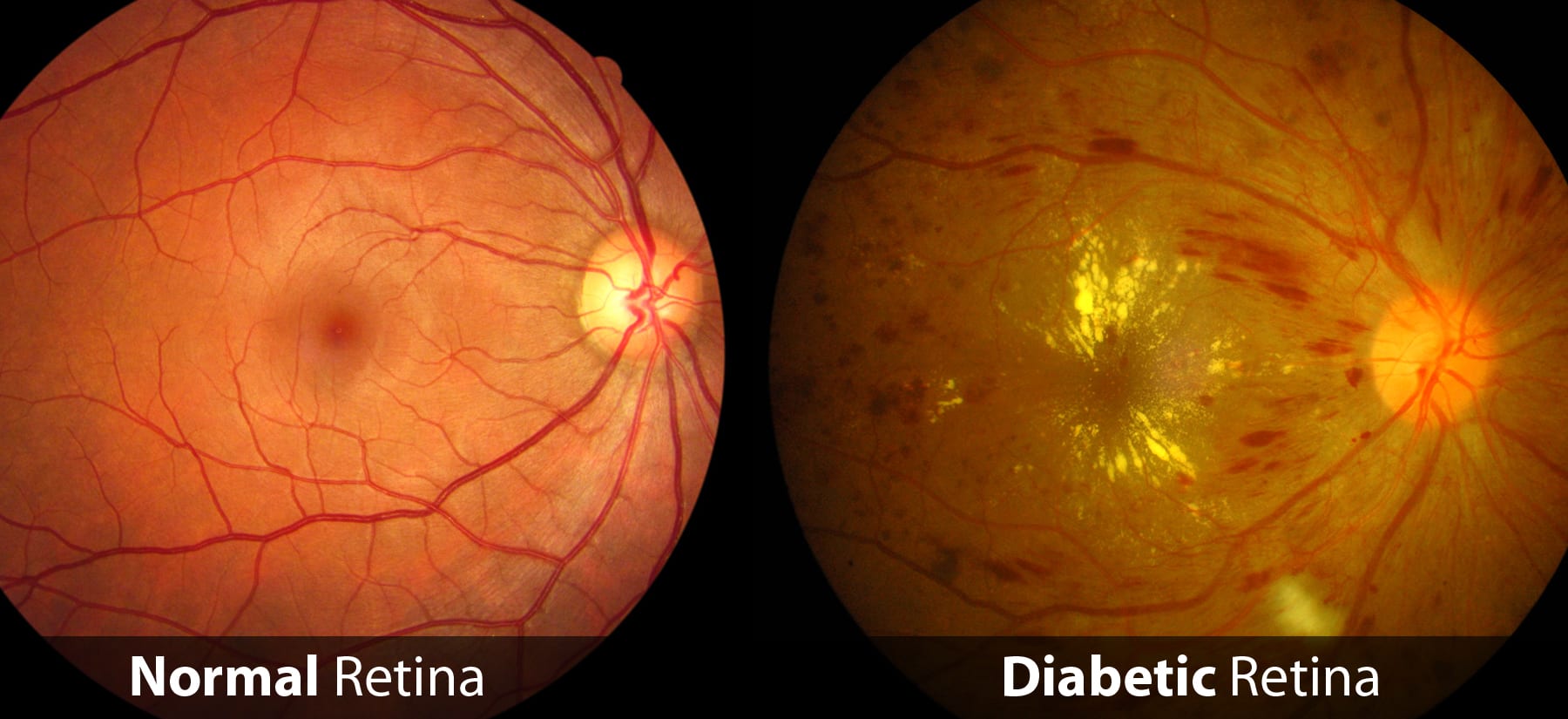
Ocular trauma is a medical term used to describe injuries affecting the eye or the surrounding tissues such as the eyelids, orbit, or optic nerve. These injuries can range from mild conditions like corneal scratches to severe damage involving internal eye structures. Ocular trauma may occur due to blunt impact, penetrating injuries, chemical exposure, or foreign objects entering the eye.
Such injuries can affect different parts of the eye, including the cornea, lens, retina, or optic nerve. In some cases, ocular trauma may also lead to complications such as internal bleeding, retinal damage, or increased eye pressure. Because the eye is a delicate organ, even minor injuries should be evaluated promptly to avoid long-term vision problems.
The symptoms of ocular trauma vary depending on the type and severity of the injury. Some patients may experience sudden pain, redness, swelling around the eye, or excessive tearing. Blurred vision or reduced vision may occur if the injury affects internal structures such as the cornea or retina.
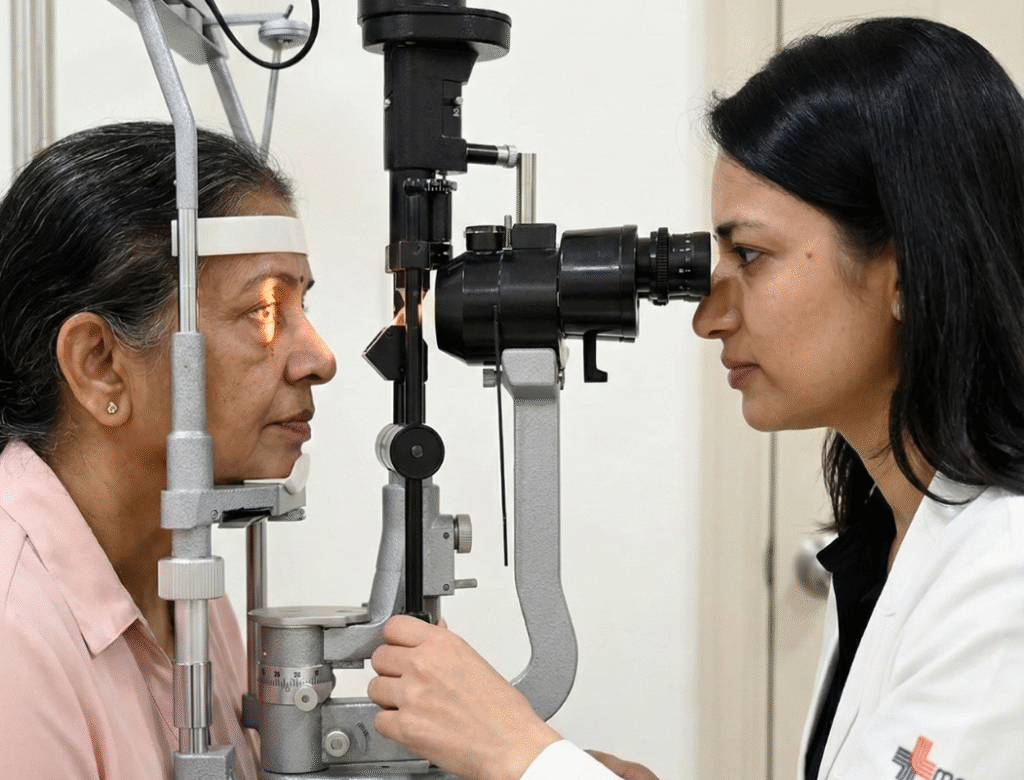
Proper diagnosis of ocular trauma requires a detailed examination by an eye specialist. The evaluation typically begins with a comprehensive eye examination to assess vision, eye pressure, and the condition of the cornea, lens, and retina. The doctor may also check for foreign bodies, internal bleeding, or damage to the eye structures.
In some cases, additional diagnostic tests may be recommended to understand the extent of the injury. Imaging studies such as CT Scan may be used to detect fractures or internal eye damage. Retinal imaging and other specialized tests may also be performed to assess the health of the retina and optic nerve and determine the appropriate treatment plan.
Treatment for ocular trauma depends on the type and severity of the injury. Minor injuries such as corneal abrasions may be treated with medications, lubricating eye drops, and protective eye care to promote healing and prevent infection.
More severe injuries may require specialized treatment such as surgical repair, removal of foreign bodies, or treatment for retinal damage. In some cases, medications may be prescribed to reduce inflammation, control infection, or manage increased eye pressure. Early treatment significantly improves the chances of preserving vision and preventing long-term complications.
Prompt medical attention is essential when dealing with ocular trauma. Delaying treatment can increase the risk of complications such as infection, retinal damage, or permanent vision loss. Even injuries that seem minor may worsen over time if not properly evaluated.
Consulting an experienced eye specialist ensures that the injury is thoroughly examined and managed with appropriate care. Advanced diagnostic tools and specialized treatment approaches can help detect hidden damage and protect the long-term health of the eye.
Ocular trauma can be complex because injuries may affect multiple parts of the eye at the same time. Specialized eye care ensures that the injury is thoroughly evaluated using advanced diagnostic tools and expert clinical assessment. Early and accurate diagnosis plays a critical role in preventing complications such as retinal damage, infection, or permanent vision loss.
Consulting an experienced specialist like Dr. Charu Chaudhary allows patients to receive timely treatment and comprehensive eye care. With specialized expertise and access to advanced facilities at Medanta Hospital, patients can benefit from personalized treatment plans aimed at preserving vision and supporting optimal recovery.
Recovery from ocular trauma depends on the type and severity of the injury. Minor injuries may heal within a few days or weeks with proper medication and protective care. However, more serious injuries involving the retina or deeper eye structures may require longer recovery and continuous monitoring.
Regular follow-up visits are essential to ensure proper healing and detect any complications early. Patients are also advised to protect their eyes from future injuries by using safety eyewear during sports or hazardous work activities. Proper care and timely treatment can significantly improve long-term visual outcomes.
Ocular trauma refers to any injury to the eye or surrounding structures caused by accidents, blunt impact, sharp objects, chemicals, or foreign bodies. These injuries can affect different parts of the eye and may lead to vision problems if not treated promptly.
Common symptoms include eye pain, redness, swelling, blurred vision, sensitivity to light, excessive tearing, and sudden vision changes. In severe cases, patients may experience bleeding around the eye or partial vision loss.
Ocular trauma can occur due to road accidents, sports injuries, workplace hazards, chemical exposure, or accidental contact with sharp objects. Protective measures and safety equipment can help reduce the risk of such injuries.
Diagnosis usually involves a detailed eye examination to check vision, eye pressure, and the condition of the cornea, lens, and retina. In some cases, imaging tests such as a CT Scan may be recommended to evaluate internal eye injuries.
Yes, severe eye injuries can lead to permanent vision damage if not treated quickly. Early medical attention and proper treatment significantly improve the chances of preserving vision.
Treatment depends on the severity of the injury and may include medications, eye drops, removal of foreign bodies, or surgical procedures to repair damaged eye structures.
Patients with eye injuries can consult Dr. Charu Chaudhary for evaluation and treatment of ocular trauma at Medanta Hospital in Lucknow.
Yes, many patients from nearby cities and surrounding regions visit Lucknow for specialized eye care and treatment of ocular trauma.