Neuro ophthalmology is a specialized field of medicine that focuses on vision problems related to the nervous system. The eyes and the brain work together to produce clear vision, and any issue affecting the optic nerves, brain pathways, or eye movement control can lead to visual disturbances. Neuro-ophthalmic conditions can involve symptoms such as double vision, unexplained vision loss, or abnormal pupil reactions, and they often require expert evaluation to determine the underlying cause.
Dr. Charu Chaudhary, an experienced retina and eye specialist with more than 15 years of experience, provides evaluation and management for neuro-ophthalmic conditions in Lucknow. Practicing at Medanta Hospital, she works with advanced diagnostic tools to identify disorders affecting the optic nerve and visual pathways. Early diagnosis and appropriate treatment can help manage many neuro-ophthalmic conditions and prevent further vision complications.
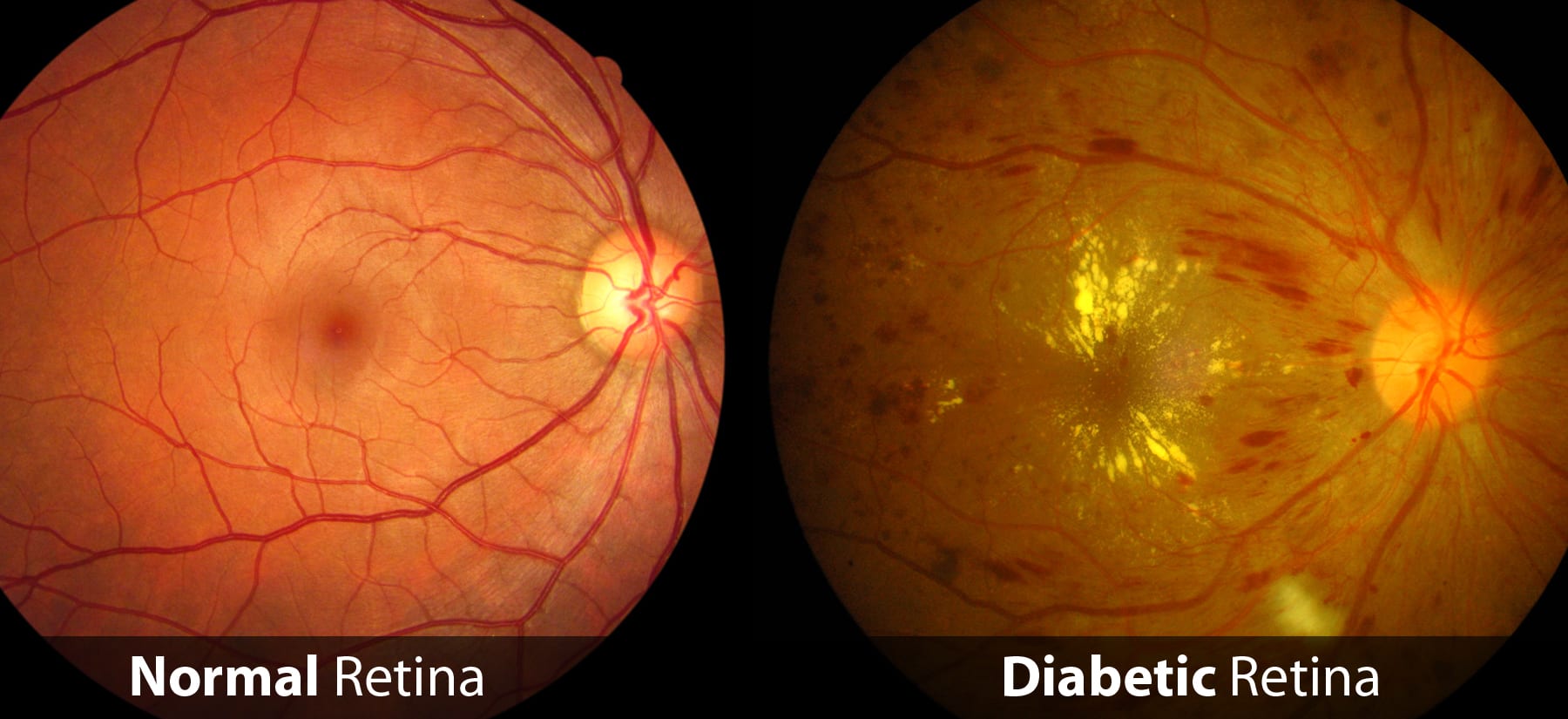
Neuro ophthalmology is a branch of ophthalmology that deals with vision problems related to the nervous system. It focuses on conditions that affect the connection between the eyes and the brain, including disorders of the optic nerve, visual pathways, and eye movement control. These conditions may arise due to neurological diseases, infections, injuries, or vascular problems that affect the nerves responsible for vision.
Unlike routine eye problems that involve the cornea or lens, neuro-ophthalmic disorders often originate in the brain or nervous system. Because these conditions can be complex, diagnosis may require detailed evaluation, imaging studies, and coordination with other medical specialists such as neurologists. Neuro ophthalmology plays a vital role in identifying the root cause of visual symptoms that cannot be explained by standard eye examinations alone.
Neuro-ophthalmic conditions can present with a wide range of visual symptoms. One of the most common symptoms is sudden or unexplained vision loss that cannot be attributed to typical eye diseases. Patients may also experience blurred vision, reduced color vision, or difficulty focusing on objects. These symptoms may develop gradually or appear suddenly depending on the underlying cause.
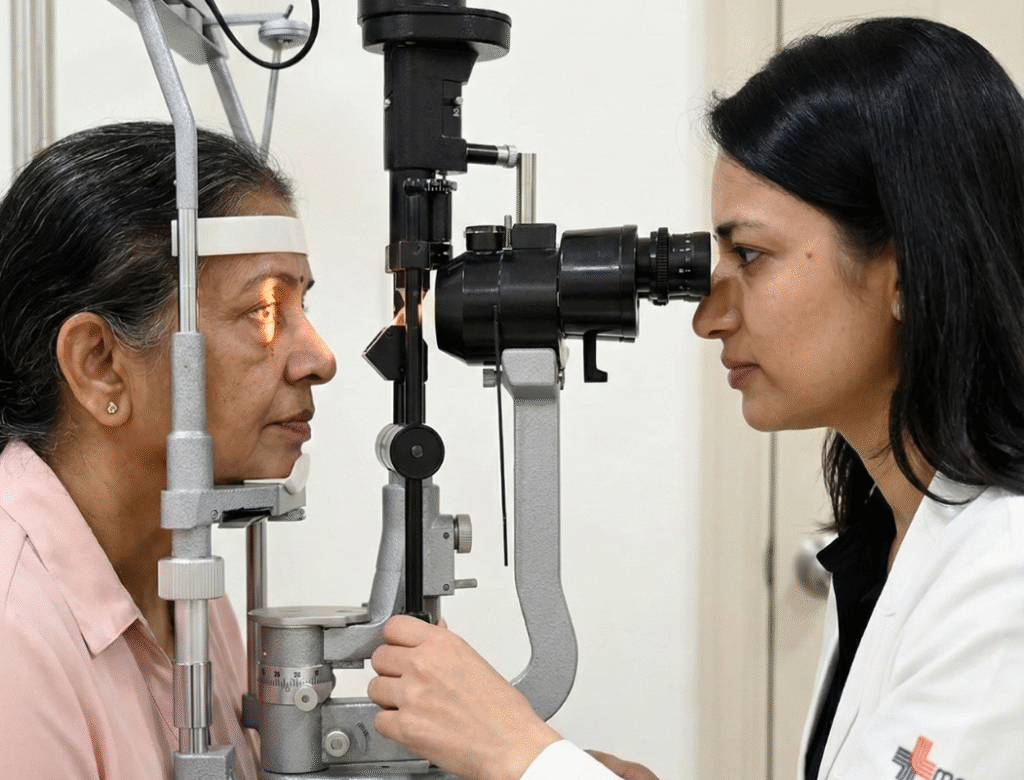
Diagnosing neuro-ophthalmic conditions requires a detailed evaluation of both the eyes and the nervous system. The doctor begins with a comprehensive eye examination that includes assessment of visual acuity, pupil reactions, eye movements, and optic nerve health. This examination helps identify signs of nerve damage or abnormalities affecting the visual pathways.
In many cases, additional diagnostic tests may be required to determine the underlying cause of the symptoms. Imaging studies such as MRI or CT scans are often used to evaluate the brain and optic nerves. Visual field testing may also be performed to assess how well the patient can see in different areas of their visual field. These tests provide valuable information that helps doctors identify neurological conditions affecting vision and guide appropriate treatment.
The treatment of neuro-ophthalmic conditions depends on the underlying cause of the problem. In some cases, medications may be used to reduce inflammation, manage infections, or treat neurological conditions affecting the optic nerve. For example, optic neuritis may be treated with medications that help reduce inflammation and support nerve recovery.
In other cases, treatment may involve managing systemic conditions such as high blood pressure, diabetes, or neurological disorders that affect the visual pathways. Some patients may benefit from corrective lenses, prism glasses, or vision therapy to manage symptoms like double vision. A multidisciplinary approach involving ophthalmologists, neurologists, and other specialists is often necessary to ensure comprehensive care for neuro-ophthalmic disorders.
Neuro-ophthalmic disorders are often complex and require specialized knowledge to diagnose and manage effectively. Because these conditions involve both the eyes and the nervous system, accurate diagnosis requires a detailed understanding of visual pathways and neurological function. Specialized care ensures that subtle signs of nerve damage or neurological disease are identified early.
Consulting a specialist also allows patients to benefit from advanced diagnostic tools and coordinated medical care. Early detection of neuro-ophthalmic conditions can help prevent further vision loss and may also lead to the early diagnosis of serious neurological disorders. With appropriate treatment and monitoring, many patients can successfully manage their symptoms and maintain stable vision.
Neuro ophthalmology deals with complex vision problems that are related to the nervous system, including conditions affecting the optic nerve, brain pathways, and eye movement control. Because these disorders involve both the eyes and the brain, they require specialized evaluation and expertise beyond routine eye examinations. A specialist in neuro ophthalmology has advanced training to identify subtle signs of neurological conditions that may affect vision. This specialized approach helps in accurately diagnosing problems such as optic nerve disorders, double vision caused by nerve palsies, and vision loss related to neurological diseases.
Choosing specialized neuro ophthalmology care ensures that patients receive a thorough and comprehensive evaluation using advanced diagnostic tools and imaging techniques. Early detection of neuro-ophthalmic conditions is essential because some of these disorders may be associated with serious neurological problems that require prompt medical attention. With expert care, accurate diagnosis, and personalized treatment planning, specialized neuro ophthalmology helps manage vision problems effectively and supports long-term eye and neurological health.
Recovery from neuro-ophthalmic conditions varies depending on the underlying cause and severity of the disease. Some conditions, such as optic neuritis, may improve with appropriate medical treatment over time. Other conditions may require long-term management to control symptoms and prevent further damage to the optic nerve or visual pathways.
Regular follow-up appointments are essential to monitor vision and evaluate the effectiveness of treatment. Patients may also need ongoing care to manage related neurological or systemic conditions. Maintaining overall health, managing chronic diseases, and attending regular eye examinations can help protect vision and improve long-term outcomes for individuals with neuro-ophthalmic disorders.
Neuro ophthalmology is a specialized field that focuses on vision problems related to the nervous system, including conditions affecting the optic nerve and visual pathways.
Common symptoms include sudden vision loss, double vision, abnormal eye movements, and vision problems associated with headaches or neurological conditions.
Yes, many neurological conditions such as multiple sclerosis, brain tumors, strokes, or nerve inflammation can affect the optic nerve and visual pathways.
Diagnosis usually involves a comprehensive eye examination along with specialized tests such as visual field testing and brain imaging studies.
Treatment depends on the underlying cause and may include medications, management of systemic diseases, or supportive therapies to improve vision.
Yes, many neuro-ophthalmic conditions involve the connection between the eyes and the brain, which is why neurological evaluation is often necessary.
Patients experiencing vision problems related to the nervous system can consult Dr. Charu Chaudhary, who provides neuro-ophthalmic evaluation in Lucknow at Medanta Hospital.
Yes, many patients from surrounding cities and nearby regions visit Lucknow for specialized evaluation and treatment of neuro-ophthalmic conditions.