Retinal laser treatment is an advanced ophthalmic procedure used to manage and treat several retinal conditions that can threaten vision if left untreated. The retina is the light-sensitive tissue located at the back of the eye that converts light into signals sent to the brain, allowing us to see clearly. When diseases affect the retina, such as diabetic retinopathy or retinal tears, timely treatment is necessary to prevent permanent vision damage. Retinal laser therapy is designed to stabilize these conditions and protect long-term eye health.
Dr. Charu Chaudhary, a highly experienced retina specialist with over 15 years of experience in retinal diseases, offers advanced retinal laser treatment in Lucknow at Medanta Hospital. Using modern laser technology and detailed retinal evaluation, she provides personalized treatment plans for patients with various retinal conditions. Early diagnosis combined with expert care can significantly reduce the risk of vision loss and help patients maintain stable and functional vision.
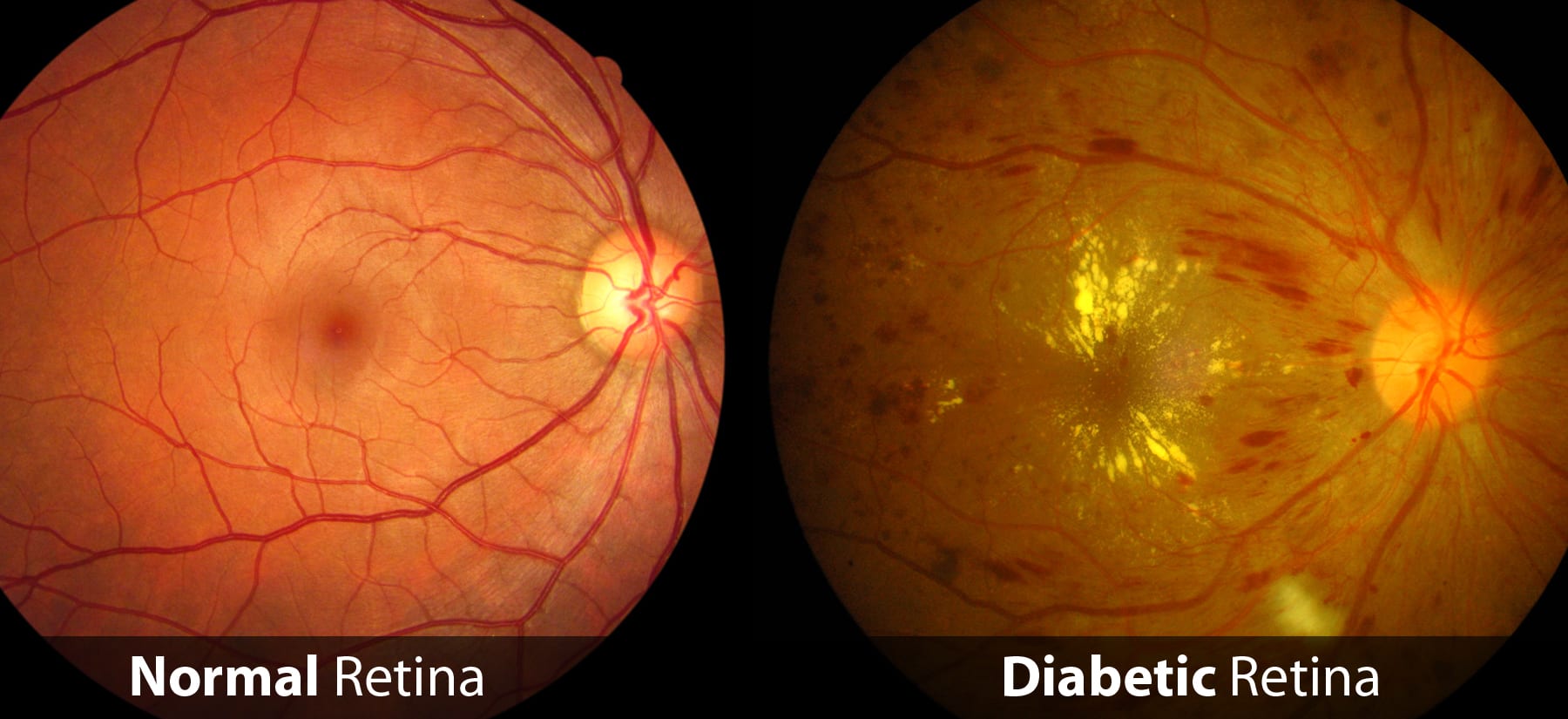
Retinal laser treatment is a medical procedure in which a focused beam of light is directed onto specific areas of the retina to treat certain retinal diseases. The laser produces small, controlled burns that help seal leaking blood vessels, repair weak areas of the retina, or prevent abnormal blood vessel growth. These effects help stabilize the retina and reduce the progression of retinal diseases that may otherwise cause significant visual impairment.
The procedure is widely used in ophthalmology and has been proven to be an effective treatment for conditions such as diabetic retinopathy, retinal tears, retinal vein occlusion, and certain types of macular edema. Because the laser can be directed very precisely, it allows doctors to treat affected areas without damaging surrounding healthy retinal tissue. Retinal laser therapy is usually performed as an outpatient procedure and typically requires minimal recovery time.
Certain vision changes may indicate the presence of retinal conditions that require laser treatment. One of the most common symptoms is the sudden appearance of floaters, which may look like dark spots, threads, or cobweb-like shapes moving across the field of vision. Patients may also experience flashes of light, especially in their peripheral vision, which can signal traction on the retina.
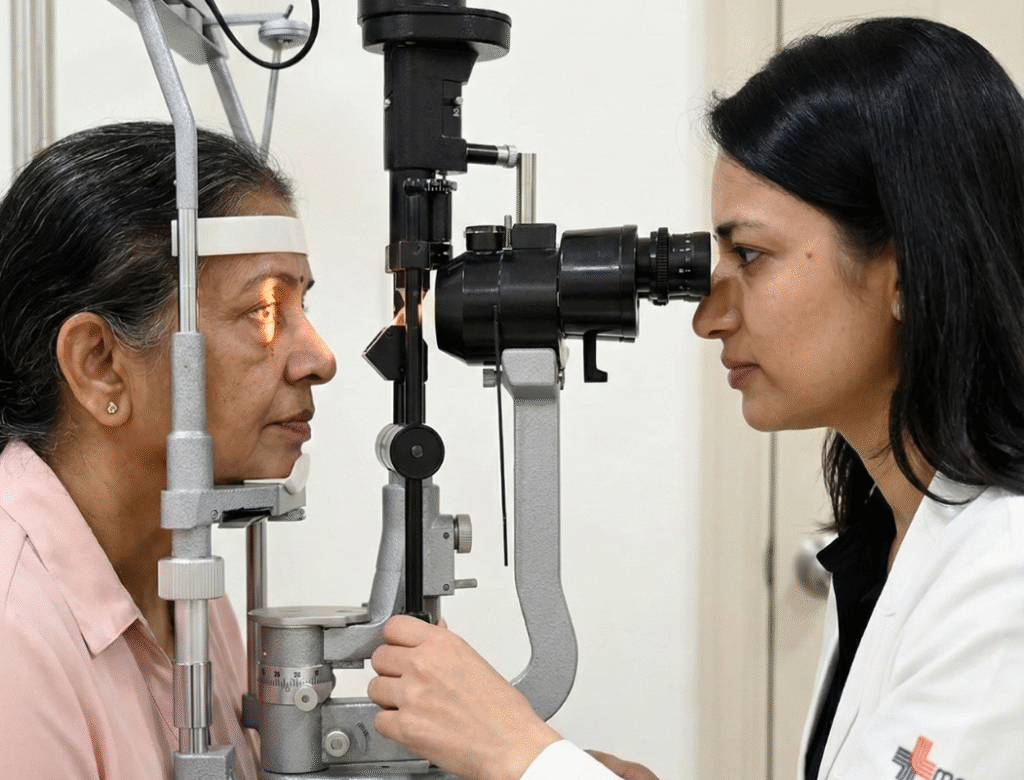
Before recommending retinal laser treatment, a retina specialist performs a thorough eye examination to assess the condition of the retina. The pupils are dilated using special eye drops so that the retina can be examined carefully for signs of damage, such as bleeding, swelling, retinal tears, or abnormal blood vessel growth. This detailed examination helps identify the underlying cause of the patient’s visual symptoms.
Advanced diagnostic imaging tests are often used to confirm the diagnosis and determine the severity of the retinal condition. Optical Coherence Tomography (OCT) provides detailed cross-sectional images of the retina and helps detect swelling or fluid accumulation. Fundus photography captures high-resolution images of the retina for documentation and monitoring. In some cases, fluorescein angiography may be used to evaluate blood flow in retinal vessels and identify areas of leakage that require treatment.
During retinal laser treatment, the patient sits in front of a specialized laser machine similar to the equipment used during routine eye examinations. The doctor first administers numbing eye drops to keep the eye comfortable. A special contact lens may be placed on the eye to help focus the laser beam precisely on the affected area of the retina.
The laser then delivers controlled bursts of light to the targeted areas of the retina. These small laser spots create microscopic burns that seal leaking blood vessels or reinforce weak areas around retinal tears. The procedure usually takes between 10 and 20 minutes depending on the condition being treated. After the procedure, patients may notice mild blurring of vision for a short time, but most individuals can return home shortly afterward.
Retinal laser treatment requires a high level of precision and expertise because the retina is a delicate structure responsible for clear vision. Specialized retinal care ensures that the condition is accurately diagnosed and treated using advanced techniques and modern laser technology. A retina specialist has extensive training in managing complex retinal disorders and can carefully target the affected areas of the retina while preserving healthy tissue. This specialized approach helps improve treatment outcomes and reduces the risk of complications.
Choosing treatment from an experienced retina specialist also ensures that patients receive comprehensive care, including detailed retinal evaluation, accurate diagnosis, and personalized treatment planning. Advanced diagnostic tools and modern laser equipment allow doctors to monitor retinal health and perform treatment with greater precision. With specialized retinal laser treatment, patients can benefit from early intervention, better disease control, and improved long-term protection of their vision.
Recovery after retinal laser treatment is usually quick, and most patients can return to their daily routine within a short time. Some individuals may experience mild blurred vision, light sensitivity, or slight discomfort for a few hours after the procedure. These symptoms typically improve as the eye recovers from the treatment.
Patients are generally advised to follow their doctor’s instructions carefully and attend scheduled follow-up appointments. These visits allow the retina specialist to monitor the healing process and ensure that the retina remains stable. Maintaining good control of systemic conditions such as diabetes and high blood pressure is also important for protecting long-term eye health. With proper care and regular monitoring, retinal laser treatment can effectively prevent further retinal damage.
Retinal laser therapy is commonly used to treat diabetic retinopathy, retinal tears, retinal vein occlusion, and other retinal vascular conditions.
The procedure is usually performed using numbing eye drops, so most patients experience little to no pain during treatment.
The procedure usually takes about 10 to 20 minutes depending on the condition being treated.
The main goal of the treatment is to stabilize the retina and prevent further vision loss. In some cases, patients may notice improvement in vision.
Yes, retinal laser therapy is a well-established and widely used treatment that has been proven safe and effective for many retinal conditions.
The number of sessions varies depending on the severity of the disease. Some patients require a single session, while others may need additional treatments.
Patients experiencing retinal problems can consult Dr. Charu Chaudhary, a retina specialist in Lucknow who provides advanced retinal laser treatment at Medanta Hospital.
Yes, many patients from surrounding cities and nearby regions visit Lucknow for specialized retinal care and treatment from experienced retina specialists.