Retinal detachment is a serious eye condition that requires immediate medical attention. It occurs when the retina, the light-sensitive layer at the back of the eye, separates from its normal position. When the retina detaches, it cannot function properly, which can lead to severe vision problems and even permanent vision loss if not treated promptly. Early diagnosis and timely surgical treatment are essential to restore retinal attachment and preserve vision.
Dr. Charu Chaudhary, an experienced retina specialist with over 15 years of expertise in retinal diseases, provides advanced retinal detachment surgery in Lucknow at Medanta Hospital. She specializes in modern surgical techniques designed to repair retinal tears and reattach the retina safely and effectively. With accurate diagnosis, advanced technology, and personalized care, patients can receive comprehensive treatment aimed at protecting and restoring their vision.
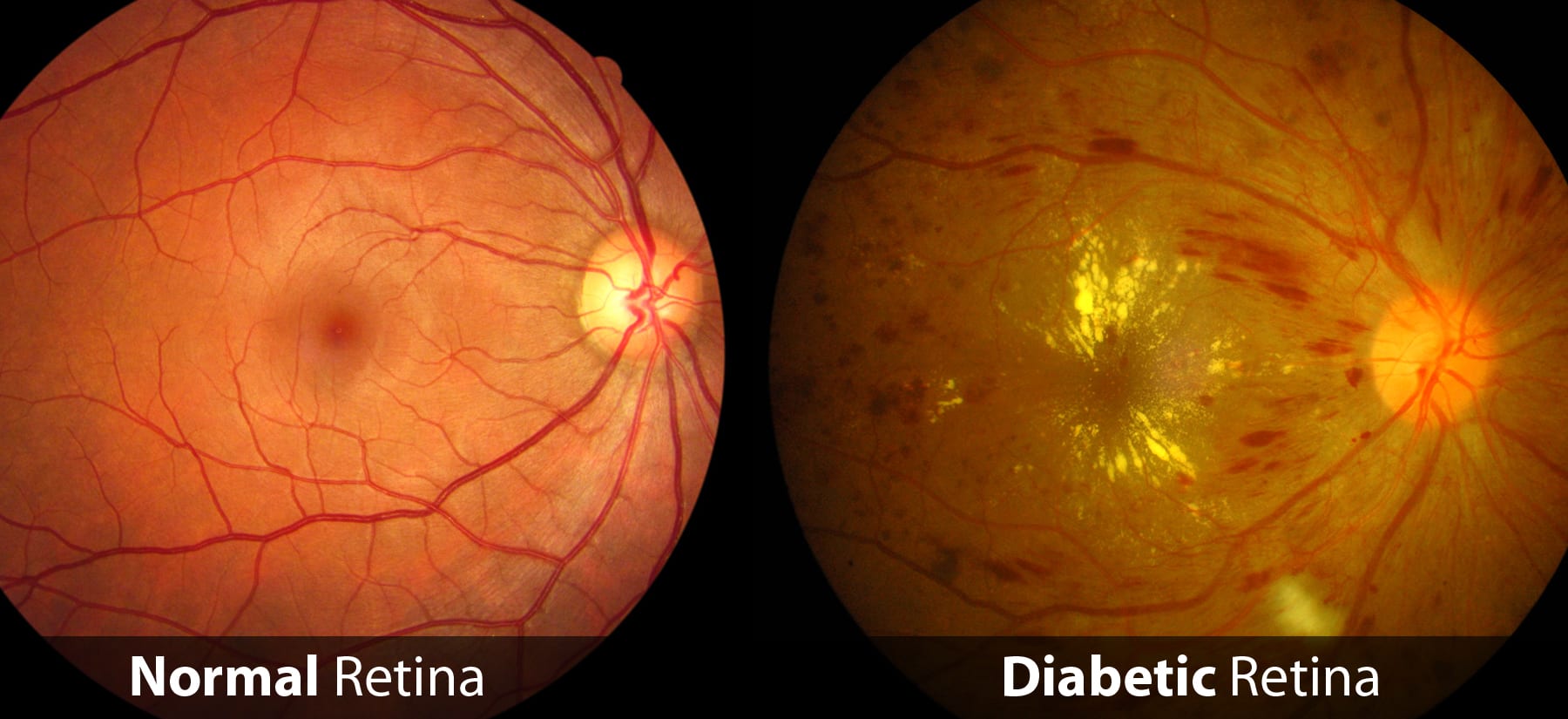
Retinal detachment occurs when the retina separates from the underlying tissue that provides it with oxygen and nutrients. This separation disrupts the retina’s ability to send visual signals to the brain, leading to blurred vision or vision loss. Retinal detachment is considered a medical emergency because the longer it remains untreated, the greater the risk of permanent damage to vision.
There are different types of retinal detachment, including rhegmatogenous, tractional, and exudative retinal detachment. The most common type occurs when a tear or hole develops in the retina, allowing fluid to pass underneath and lift it away from the back of the eye. Certain conditions such as severe nearsightedness, eye injuries, previous eye surgeries, or diabetic eye disease can increase the risk of retinal detachment. Early detection and prompt surgical treatment significantly improve the chances of restoring vision.
The symptoms of retinal detachment can appear suddenly and should never be ignored. One of the earliest warning signs is the sudden appearance of floaters, which look like small dark spots or thread-like shapes moving across the field of vision. Patients may also notice flashes of light, particularly in the peripheral vision, which can indicate traction on the retina.
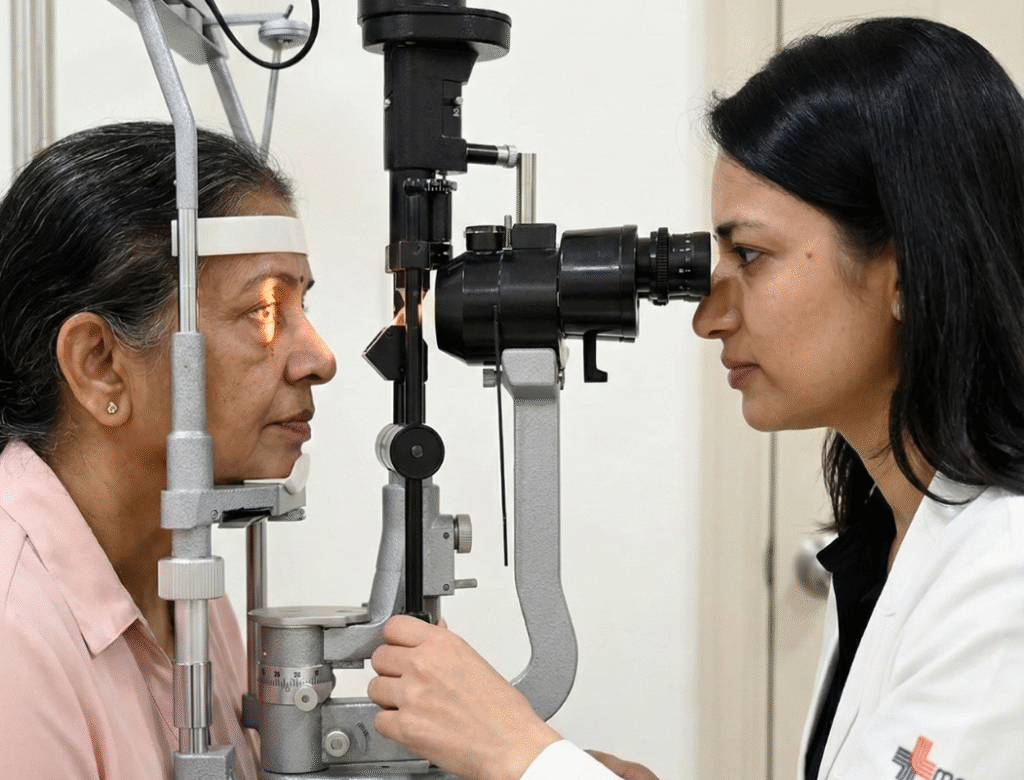
Diagnosing retinal detachment involves a comprehensive eye examination performed by a retina specialist. During the evaluation, the doctor will examine the retina carefully using specialized instruments after dilating the pupil with eye drops. This allows a clear view of the retina and helps identify retinal tears, holes, or areas of detachment.
Advanced diagnostic imaging may also be used to confirm the diagnosis and assess the extent of retinal damage. Optical Coherence Tomography (OCT) and ocular ultrasound are commonly used to visualize the retina and surrounding structures. These tests provide detailed images that help the retina specialist determine the severity of the detachment and plan the most appropriate surgical treatment. Early diagnosis plays a crucial role in improving surgical outcomes and preserving vision.
Retinal detachment usually requires surgical treatment to reattach the retina and restore its normal position. The type of surgery recommended depends on the size, location, and severity of the retinal detachment. Modern surgical techniques have significantly improved the success rates of retinal detachment repair.
Common surgical procedures include scleral buckle surgery, vitrectomy, and pneumatic retinopexy. In scleral buckle surgery, a small band is placed around the eye to gently push the eye wall closer to the detached retina. Vitrectomy involves removing the vitreous gel inside the eye and replacing it with gas or silicone oil to help the retina reattach. Pneumatic retinopexy uses a gas bubble injected into the eye to press the retina back into place. The choice of procedure depends on the patient’s condition and the retina specialist’s assessment.
Retinal detachment surgery is a highly specialized procedure that requires advanced training and experience in retinal diseases. The retina is a delicate structure, and successful surgical treatment requires precision, specialized equipment, and expert knowledge of retinal anatomy. Consulting a qualified retina specialist ensures that the condition is accurately diagnosed and treated using the most appropriate surgical technique.
Specialized retina care also allows patients to benefit from modern imaging technology and advanced surgical methods that improve treatment outcomes. A retina specialist can monitor the healing process carefully and provide guidance for recovery after surgery. With timely treatment and proper follow-up care, many patients are able to regain useful vision and prevent further retinal complications.
Recovery after retinal detachment surgery varies depending on the type of procedure performed and the severity of the detachment. Most patients are able to return home the same day after surgery, but they may need to follow specific instructions to support healing. Vision may take several weeks or months to improve as the retina recovers.
Patients may be advised to maintain a specific head position for a certain period, especially if a gas bubble has been used during surgery. Avoiding heavy physical activity, protecting the eye from injury, and attending follow-up appointments are essential parts of the recovery process. Regular monitoring by the retina specialist ensures that the retina remains properly attached and that the eye heals successfully.
Retinal detachment can occur due to retinal tears, severe nearsightedness, aging, eye injuries, diabetic eye disease, or complications after eye surgery.
Yes, retinal detachment is considered an emergency. Immediate treatment is necessary to prevent permanent vision loss.
In most cases, retinal detachment requires surgical treatment. Without surgery, the retina usually cannot reattach on its own.
The surgery usually takes about 45 minutes to two hours, depending on the complexity of the detachment.
The procedure is typically performed under local or general anesthesia, so patients usually do not feel pain during surgery.
If you are experiencing symptoms such as sudden floaters, flashes of light, or a shadow in your vision, you should consult a retina specialist immediately. Dr. Charu Chaudhary, an experienced retina specialist, provides advanced evaluation and retinal detachment surgery in Lucknow at Medanta Hospital, offering modern treatment options for retinal conditions.
Yes, many patients from nearby cities and regions visit Lucknow for specialized retinal care. Dr. Charu Chaudhary receives patients not only from Lucknow but also from surrounding areas seeking expert evaluation and surgical treatment for retinal detachment and other retinal diseases at Medanta Hospital.